Hongfuyuan’s Lesson: When Environmental Protection Meets Flame – Reflections on Urban Resilience and Material Safety
Traditional Chinese version (中文版):
Spanish version (versión en español):
A Painful Historical Record
On November 26, 2025, a level-five fire broke out at Hung Fuk Court in Tai Po…
Tragedy Scale
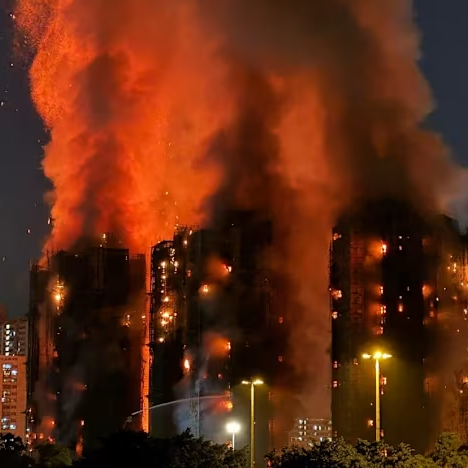
This was worst fire in Hong Kong since 1948, resulting in 161 dead, 79 injured, 5000 homeless, and 13 schools closed.
Heroic Sacrifice

Firefighter He Weihao (posthumously awarded fire brigade rank) died heroically in the line of duty during a search and rescue operation at the young age of 37.
Key Problem

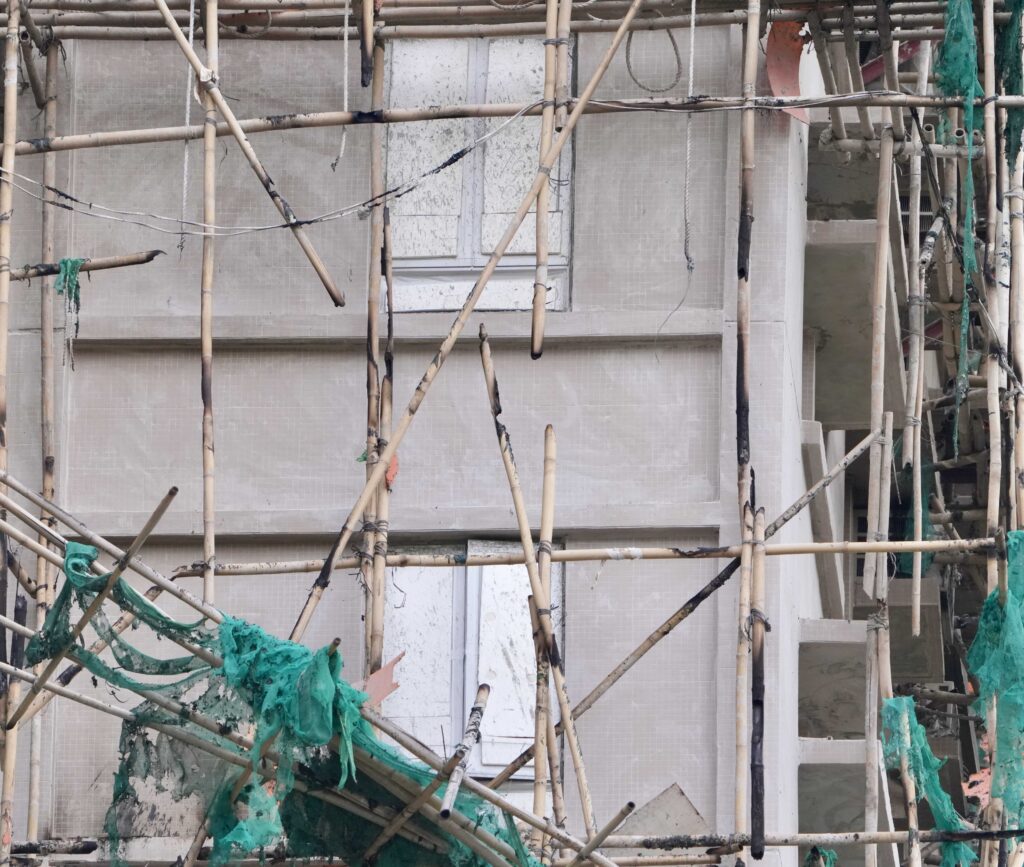
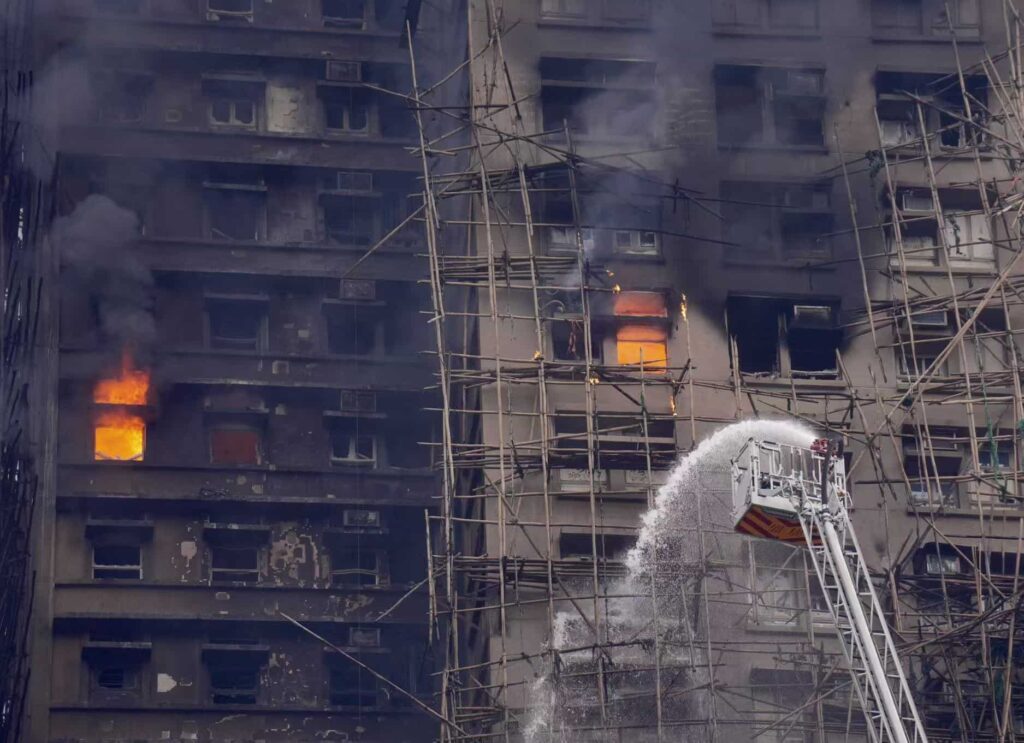
The building was undergoing exterior wall renovations and the fire spread rapidly along the nylon protective netting and foam board, creating a “three-dimensional fire scene.”
The Controversy
The Fatal Cost of Pseudo-Environmental Protection
What misconceptions have we fallen into in our pursuit of urban renewal and environmental maintenance?
Combustion-supporting protective facilities
- Nylon protective netting: Although it can prevent construction debris from falling (environmental protection), inferior plastics are extremely flammable.
- Foamed protective panels: intended to protect residents’ windows, they instead became the “fuse” for fires along the walls.
Lack of regulations and oversight
- Misinformation: The contractor used qualified flame-retardant materials during the inspection, but replaced them with cheap flammable materials during construction.
- Outdated standards: At the time, the review of environmentally friendly materials often overlooked the “toxic fume reaction under extreme high temperature.”
Scientific Analysis
Understanding Your Home Furnishing Materials
The Flammability Trap: Environmentally Friendly Insulation Materials
- Common risks: Polystyrene (PS) and polyurethane (PU) are often used for wall insulation. Although they are energy-efficient, they are extremely flammable.
- Identification criteria: Be sure to confirm that the material has passed the B1 (flame retardant) or higher certification.
- From a scientific point of view: Understand the “Oxygen Index” of materials to ensure that the oxygen concentration is higher than 21% for ignition.
Deadly Smoke: Synthetic Finish Panels
- Risk Analysis: Many wood veneer or composite aluminum panels release hydrogen cyanide (HCN) and carbon monoxide (CO) when burned.
- Prevention recommendations: Use calcium silicate boards or fireproof gypsum boards as ceiling and partition materials. These inorganic materials will not produce toxic fumes in a fire.
Data Insights
Lessons Learned from the Hongfuyuan Fire
Chimney effect and vertical spread
- Phenomenon: Data simulation shows that if the exterior wall contains a flammable coating, the fire will spread three times faster.
- Prevention: Do not pile up flammable recyclables (such as cardboard boxes and plastics) on balconies to avoid turning them into staircases for fire to spread across floors.
The Golden 3 Minutes: The Law of Toxic Smoke Diffusion
- Scientific conclusion: When modern synthetic building materials catch fire, toxic fumes can fill a confined space in just about 180 seconds.
- Action: Install linked residential fire alarms (R smoke detectors), which is the only technological means to outrun toxic smoke.
Home Safety Checklist
Please take 10 minutes to check your home environment:
- Smokeproof door status:
- Are the smokeproof doors in the corridor kept closed? (This is a barrier that blocks 90% of toxic smoke.)
- Building Material Certification:
- Does your home’s wood flooring or wall surface have fire-retardant coating certification?
- Clutter Management:
- Are flammable and environmentally friendly recyclable materials piled up in the escape routes?
- Equipment configuration:
- Is there at least one qualified fire extinguisher and smoke mask on each floor?
- Do you have a fire blanket easily accessible in the kitchen or other high-risk areas?
Advice from Firefighters
Prevention:
Regularly clean the grease from your kitchen range hood to prevent it from becoming secondary fuel in the event of a fire involving building materials.
Emergency Response:
If the fire is already large, do not hide in the bathroom. Instead, choose a room with windows and an intact door to take refuge in place, and seal the gaps in the door with a wet towel.
The fire took lives, but it shouldn’t take away lessons. We’re raising funds for reconstruction, and we’re advocating to prevent it from happening again.
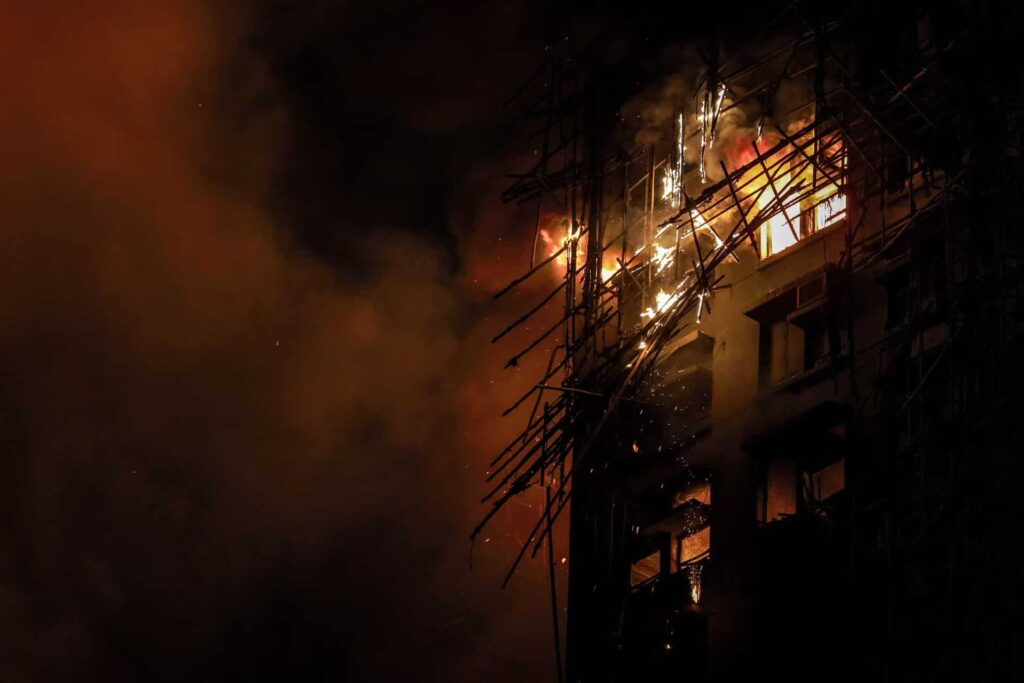
True environmental protection
must take safety as the bottom line.
This handbook was created out of mourning for the victims of the Hung Fuk Yuen tragedy and a belief in data science. We believe that tragedies can be prevented through proper material selection and scientific disaster prevention awareness.
Traditional Chinese version (中文版):
Spanish version (versión en español):
January 16, 2026 at 2:07 am
This was very informative and helpful!